Somewhere on the south side of Great Dog, resting quietly on the seabed, there are two sunken aircraft shaped like sharks. Most people sail straight past them without ever knowing they’re there. They’re not on any chart, they’re genuinely tricky to find, and I’m not going to tell you exactly where they are just yet — because to appreciate them, you first need to understand the waters they’re hiding in.
The British Virgin Islands are stitched together by some of the finest BVI snorkelling spots in the Caribbean, and after years captaining charters through these islands, I’ve come to think of them in two categories. There are the famous ones — the sites every itinerary hits, and rightly so. And then there are the quiet ones: the reefs and hidden corners that only get visited when someone aboard knows the water well enough to take you there. This guide covers both, starting with the classics and working our way to the spots the guidebooks forget. Stick with me to the end and I’ll let you in on a secret: I’ll show you where the mythical hidden sharks are.
The Famous Spots (Worth the Hype)
Let’s start where everyone starts, because these sites are popular for a reason — miss them and you’ve missed the highlights reel.
The Indians. Four dramatic rock pinnacles rise straight out of the Sir Francis Drake Channel off the western tip of Norman Island, and the underwater world around them is extraordinary: coral gardens, canyon walls, schools of reef fish and regular turtle sightings, with depths running from five to fifty-five feet so it suits every ability. There’s a short tunnel you can swim through on the shallower side, and the morning light is best for photography. There are only around ten mooring balls, so moor up before noon or you’ll be circling.
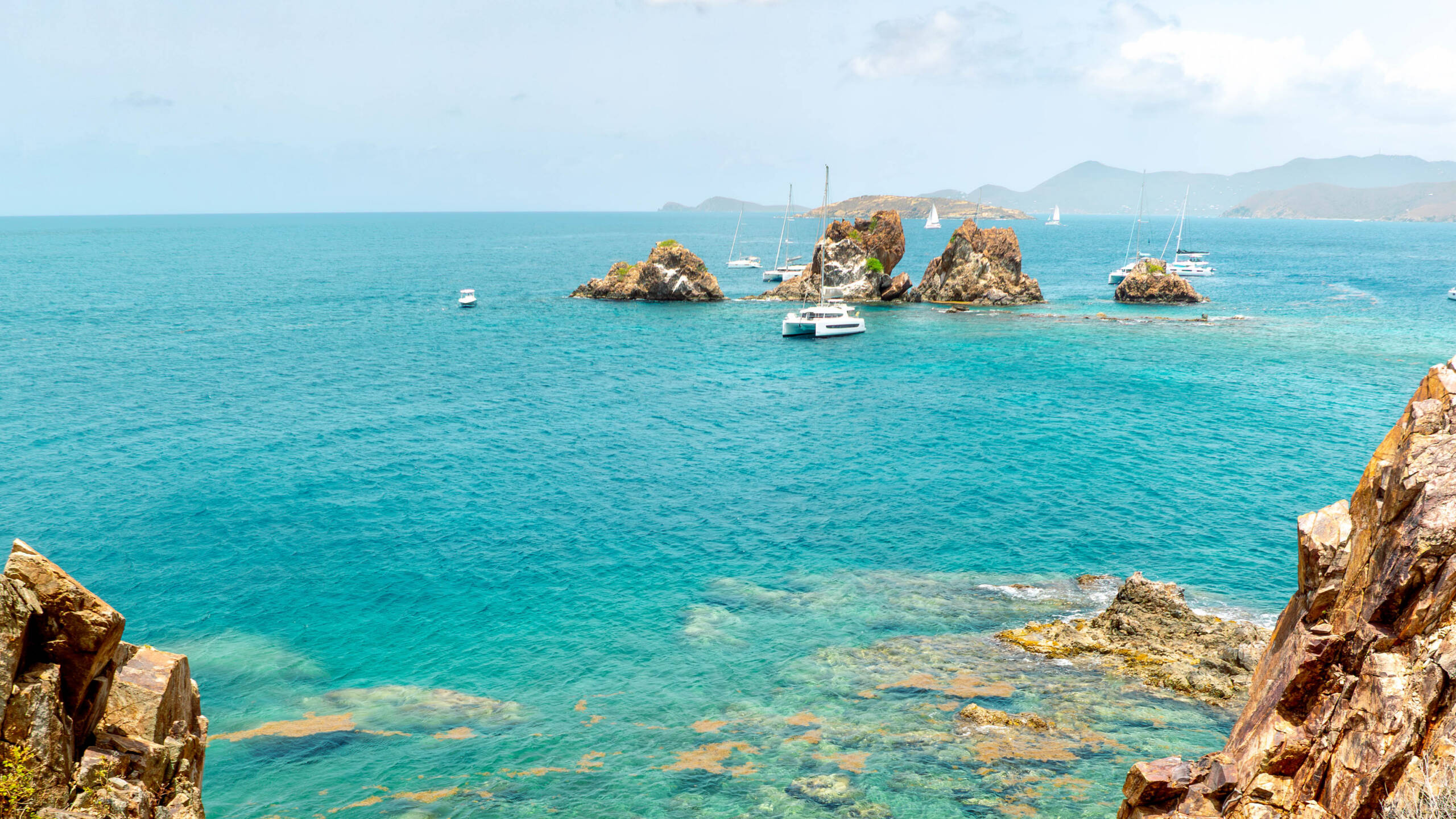
The Caves. Just around the corner at Treasure Point, three shallow sea caves cut into the base of the cliff — the ones said to have inspired Robert Louis Stevenson’s Treasure Island. You can swim right inside, watch beams of light play through the water, and hang above glassy sweepers schooling in their thousands. The largest cave lets you look straight up through the rock to the open sky. It gets busy midday, so early or late is the move.
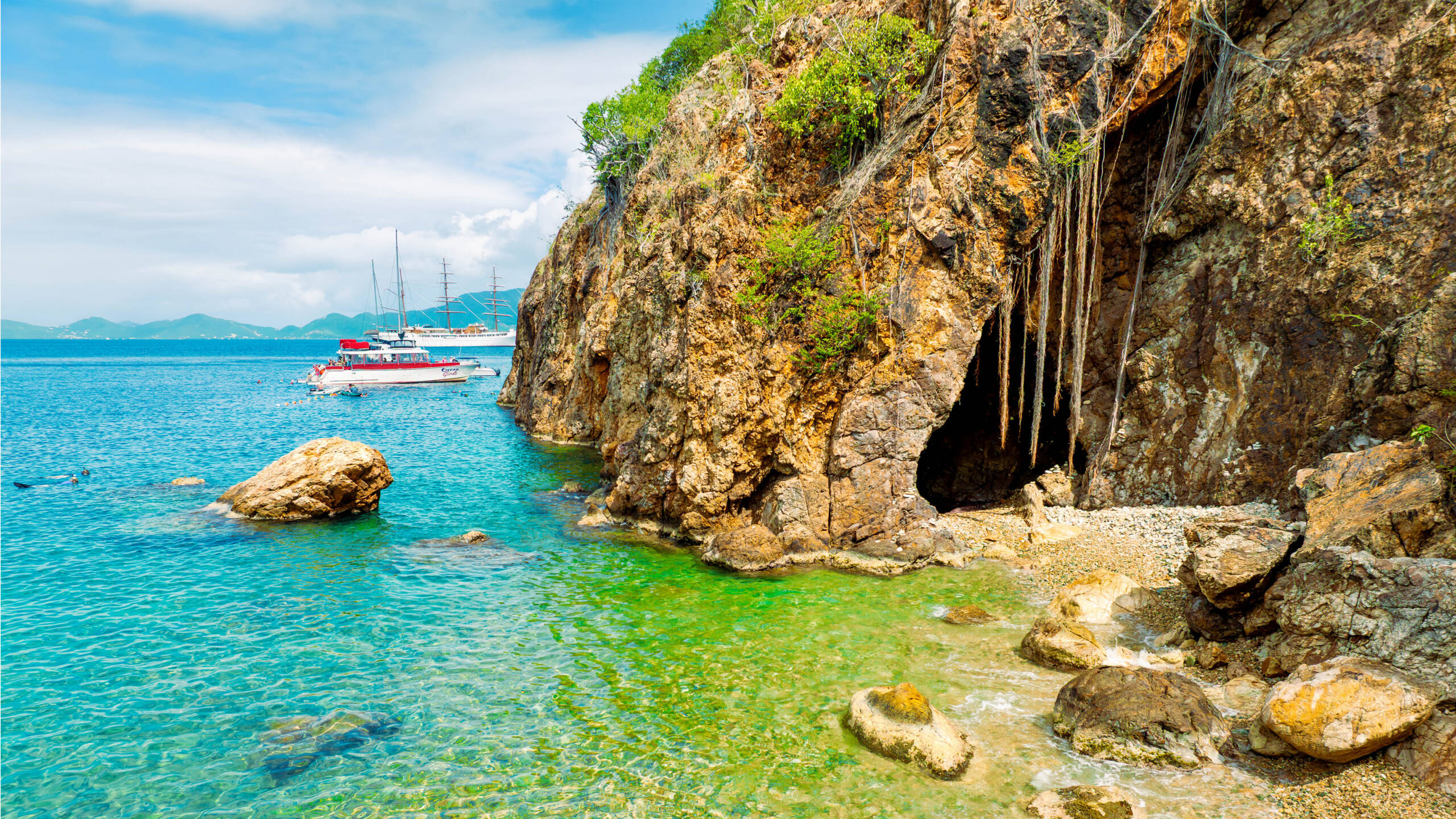
Monkey Point, Guana Island. A sheltered cove at the south end of Guana, long loved for its shallow coral gardens and dense clouds of baitfish, with jacks and tarpon hunting through them. You’ll often see Caribbean squid swimming in perfect synchronicity, and — though you may have to squint and use your imagination — they say the body of the point looks like a lying-down iguana, hence Guana Island. On a calm day with the light right, it’s still one of the loveliest, easiest BVI snorkelling spots going. There are only three moorings available at the time of writing.
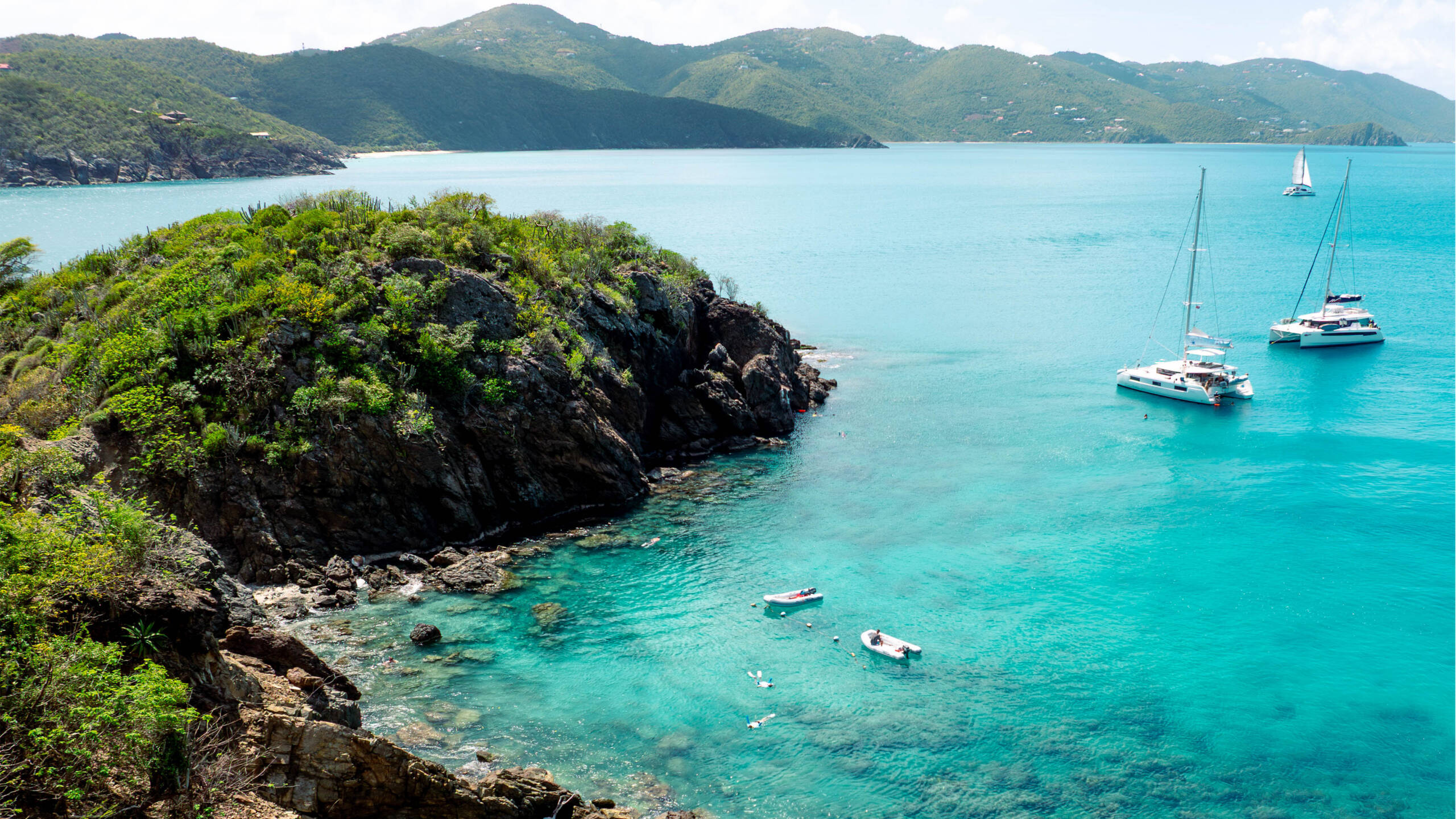
Diamond Reef & Cistern Point
Diamond Reef. Opposite Scrub Island and tucked off Great Camanoe, Diamond Reef is a vibrant reef that’s easy to find. The easterly winds can make it an uncomfortable snorkel, so you’ll want to visit on a reasonably calm day. I’d also be aware of potential jellyfish in the summer months of June and July. Beautiful coral heads, angelfish, the occasional turtle and calm shallow water make it a favourite for families and nervous first-timers.
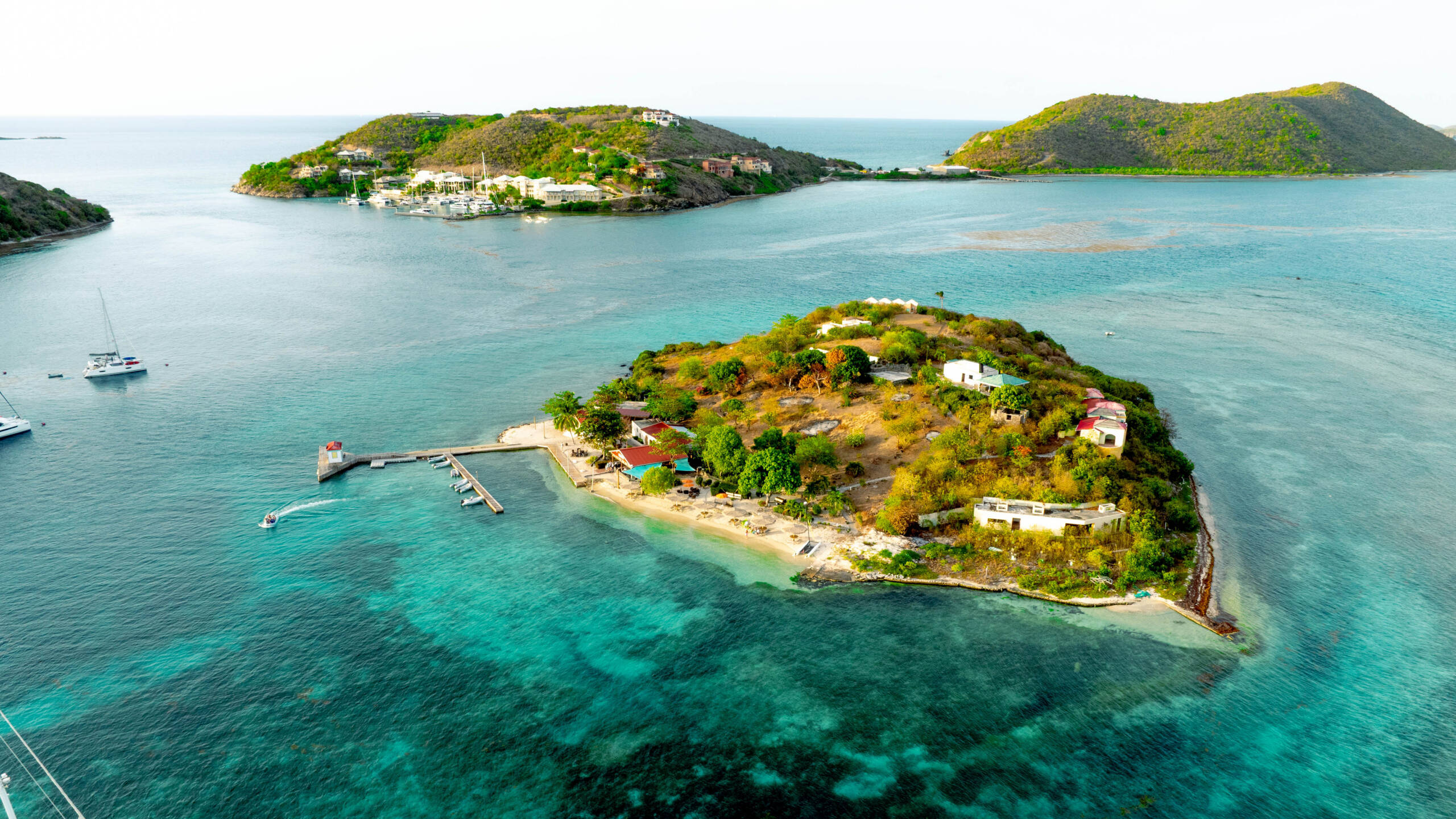
Cistern Point, Cooper Island. A short swim from the mooring field off Cooper Island Beach Club — or via a dinghy line set up right outside the reef, which makes it easily accessible for a group trip — Cistern Point delivers sheer volume of fish. The reef wraps around a rocky point in easy, shallow water: sea fans, brain coral, angelfish and butterflyfish, with turtles and southern rays turning up often.
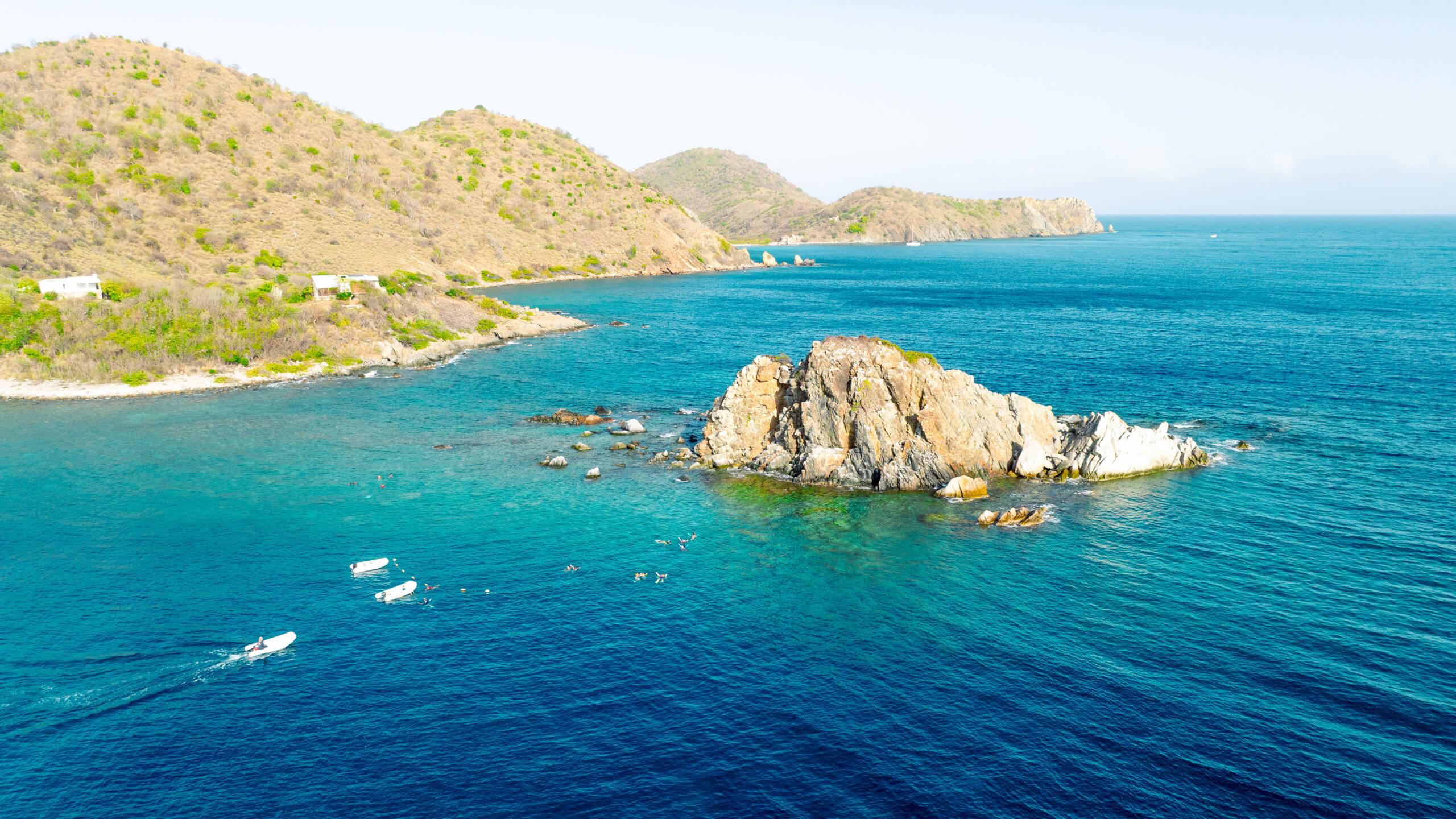
I’ve watched beautiful dancing nurse sharks and spotted eagle rays going about their business here. It’s one of the most reliable snorkels in the territory, and it happens to sit right next to one of my favourite under-the-radar spots — which brings us nicely to the quiet half of this list.
(Still wondering about those sharks off Great Dog? Patience. We’re getting there — and the wait is part of the fun.)
The Quiet Spots the Guidebooks Forget
This is where a crewed charter earns its keep. Everything below is harder to reach, less documented, and — precisely because of that — often better. These are the spots I take guests when they want to see something the day-trip crowd never will.
Haulover Bay, Cooper Island. Just along the shore from Cistern Point — with the little-known Chromis Reef sitting between the two — Haulover Bay is the spot I’ll steer for when the easterly trade winds are up and everywhere else feels exposed. Tucked into the lee of the island, its dive and snorkel sites are beautifully protected from the wind, so the water stays calm and clear when other anchorages are chopping about.
The reefs here are vibrant and healthy, the scenery is gorgeous, and — because almost nobody thinks to stop — you’ll very often have the whole place to yourself. Search for it online and you’ll mostly turn up a different Haulover Bay over on St John; this one, the BVI’s own, remains a genuine local secret.
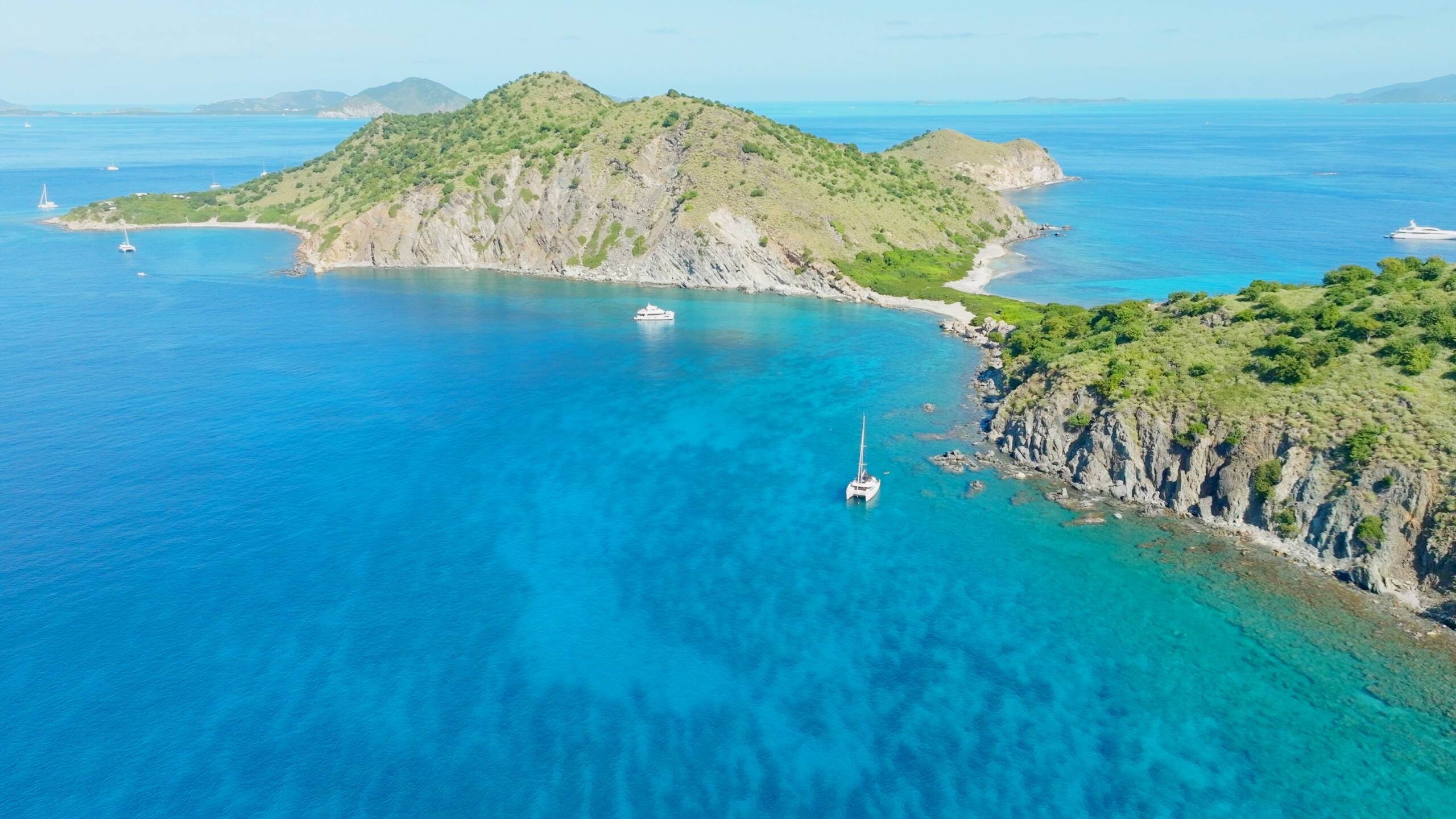
Fallen Jerusalem & Mountain Point
Fallen Jerusalem. If you love the idea of The Baths but not the crowds, this is your answer. A small uninhabited island just south of Virgin Gorda, named for volcanic boulders tumbled together so they resemble ancient ruins — and the underwater landscape mirrors the one above, all dramatic overhangs, tunnels and pools. The area known as The Blinders is the highlight, with vibrant coral and reliable turtle sightings. Same boulder magic as The Baths, a fraction of the people. On the approach to Virgin Gorda, it’s an easy and rewarding detour.
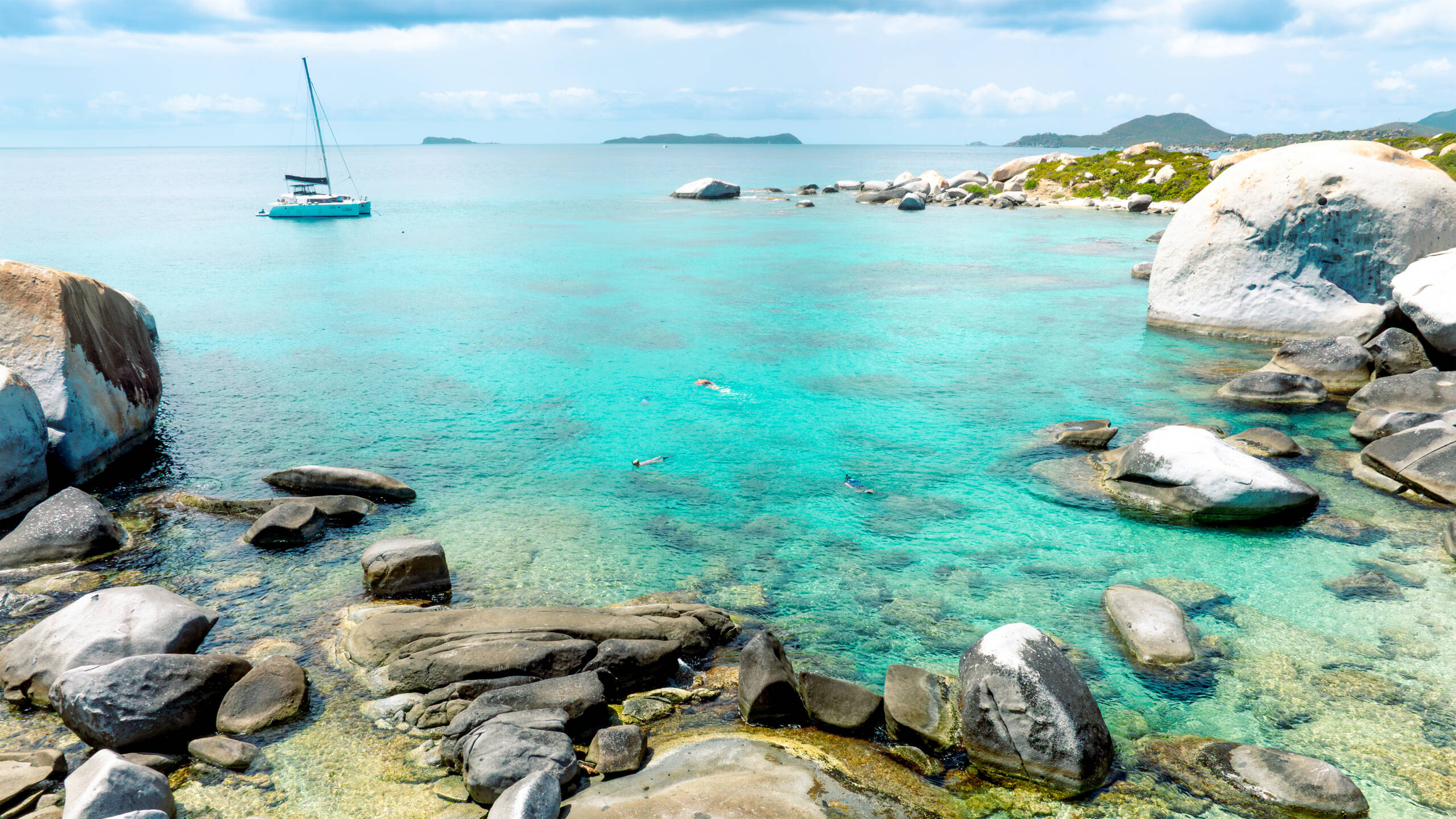
Mountain Point, Virgin Gorda. Halfway up the island’s western side sits a large, protected anchorage popular with crewed yachts, and it’s one of the most rewarding BVI snorkelling spots on Virgin Gorda, and my personal favourite snorkelling spot in the BVI. The topography keeps it interesting: rocky ledges, open sand patches, and a couple of small caves you can duck into when the sea is flat. It’s roomy and sheltered, which makes it a relaxed spot to spend a whole afternoon working your way along the shoreline.
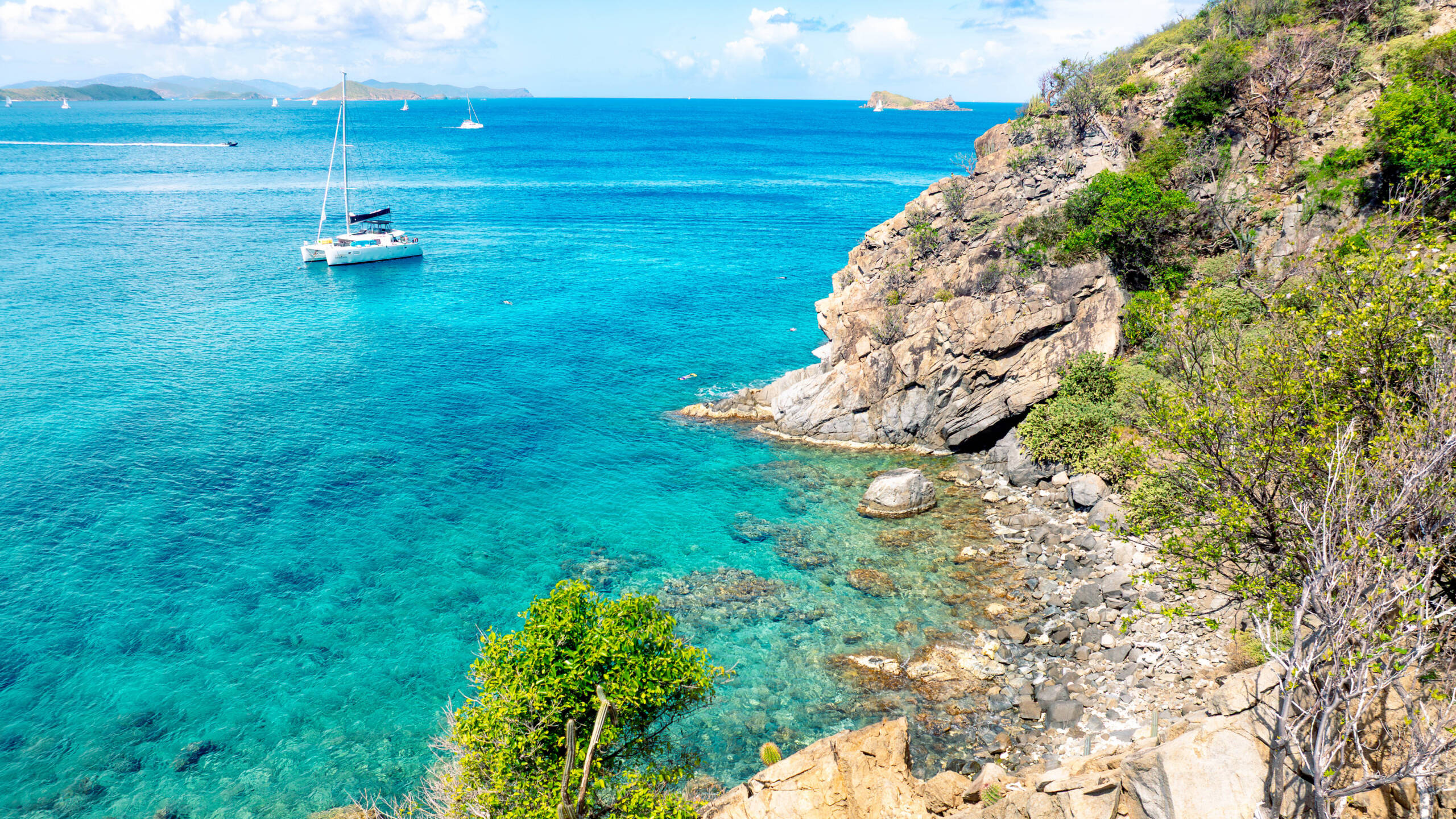
Eustatia Reef: The Big One in the North Sound
Of all the lesser-known BVI snorkelling spots, Eustatia is the one that most rewards the effort of getting there. It lies in the North Sound of Virgin Gorda, just east of Prickly Pear Island and the Bitter End, and it is enormous — a huge, vibrant barrier reef of coral heads and lobster that stretches all the way back to Oil Nut Bay. The fish life is superb and the coral genuinely intact, because access keeps the numbers down.
There’s something for every ability here. The main reef is expansive and best explored slowly by dinghy, while on the west side of Eustatia itself there’s a smaller, far more user-friendly reef — calm, shallow and forgiving, ideal for less confident snorkellers who still want the Eustatia magic without the exposure.
And then there’s the history. Scattered across the seabed around the reef lie anchors, cannons and ballast stones from 17th- and 18th-century galleons — colonial-era shipwrecks whose relics still rest in the shallows, alongside newer anchors placed decades ago by the legendary BVI conservationist Bert Kilbride. Snorkelling above centuries-old cannons with a lobster eyeing you from a coral head is about as close to time travel as the Caribbean gets.
A word of caution, though: the shallow coral heads make bringing a big boat in directly hazardous, so Eustatia is strictly a flat-conditions, dinghy-access spot — best reached with someone who knows the way in. You can read more about the reef’s colonial relics via the BVI Tourist Board.
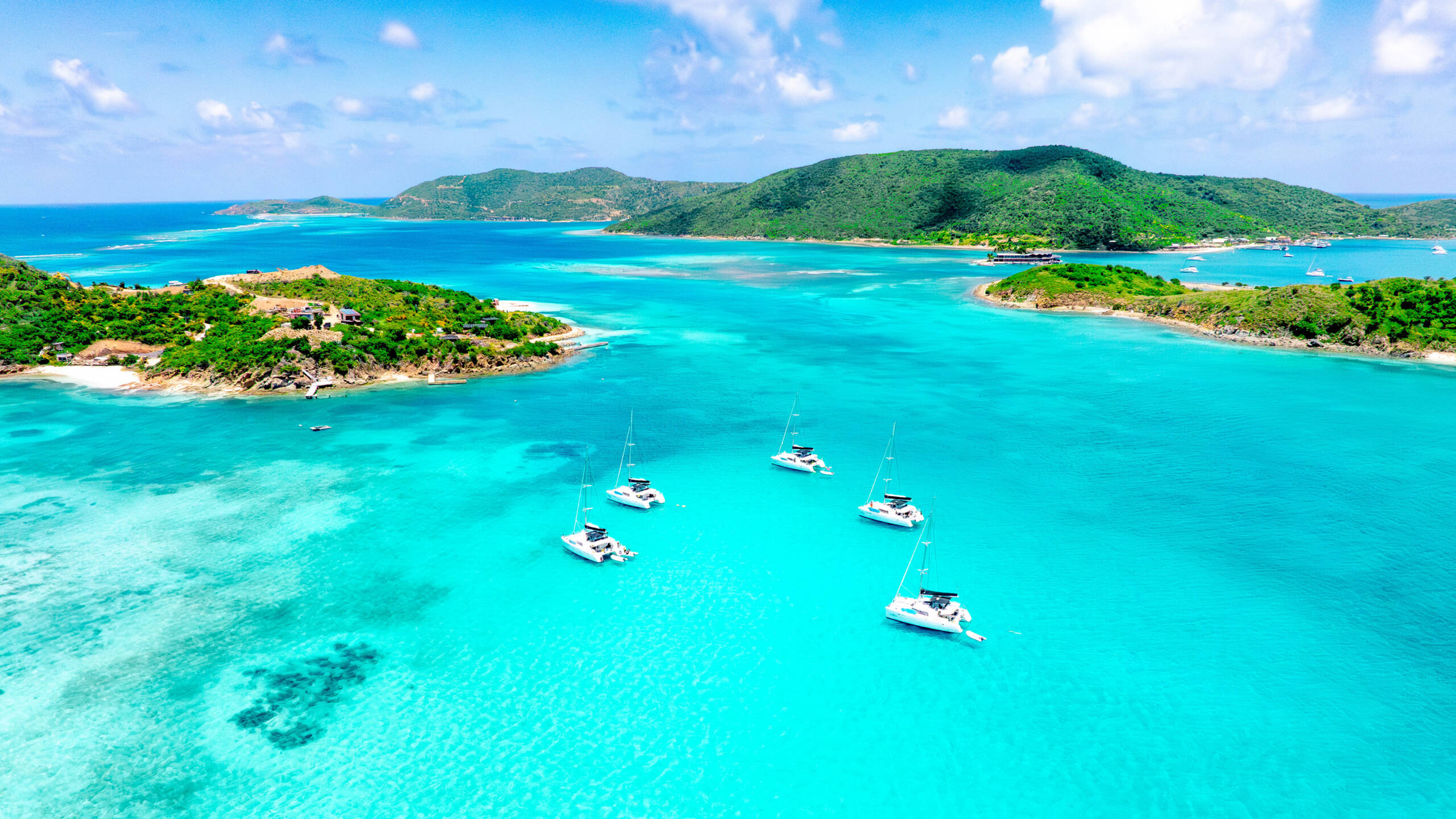
Great Dog — and the Secret You’ve Been Waiting For
Which brings us, at last, to Great Dog. The main event here is the west side of the island — and if you’ve read elsewhere that it’s the north side, that’s a common mix-up worth correcting. The west side is where the good stuff is: healthy reef, brain coral, deep trenches cut through the rock, and National Parks Trust mooring balls that make it easy to stop. On its own merits it’s one of the more rewarding BVI snorkelling spots in the central islands, and most visitors are more than happy with that.
But most visitors don’t know about the south side.
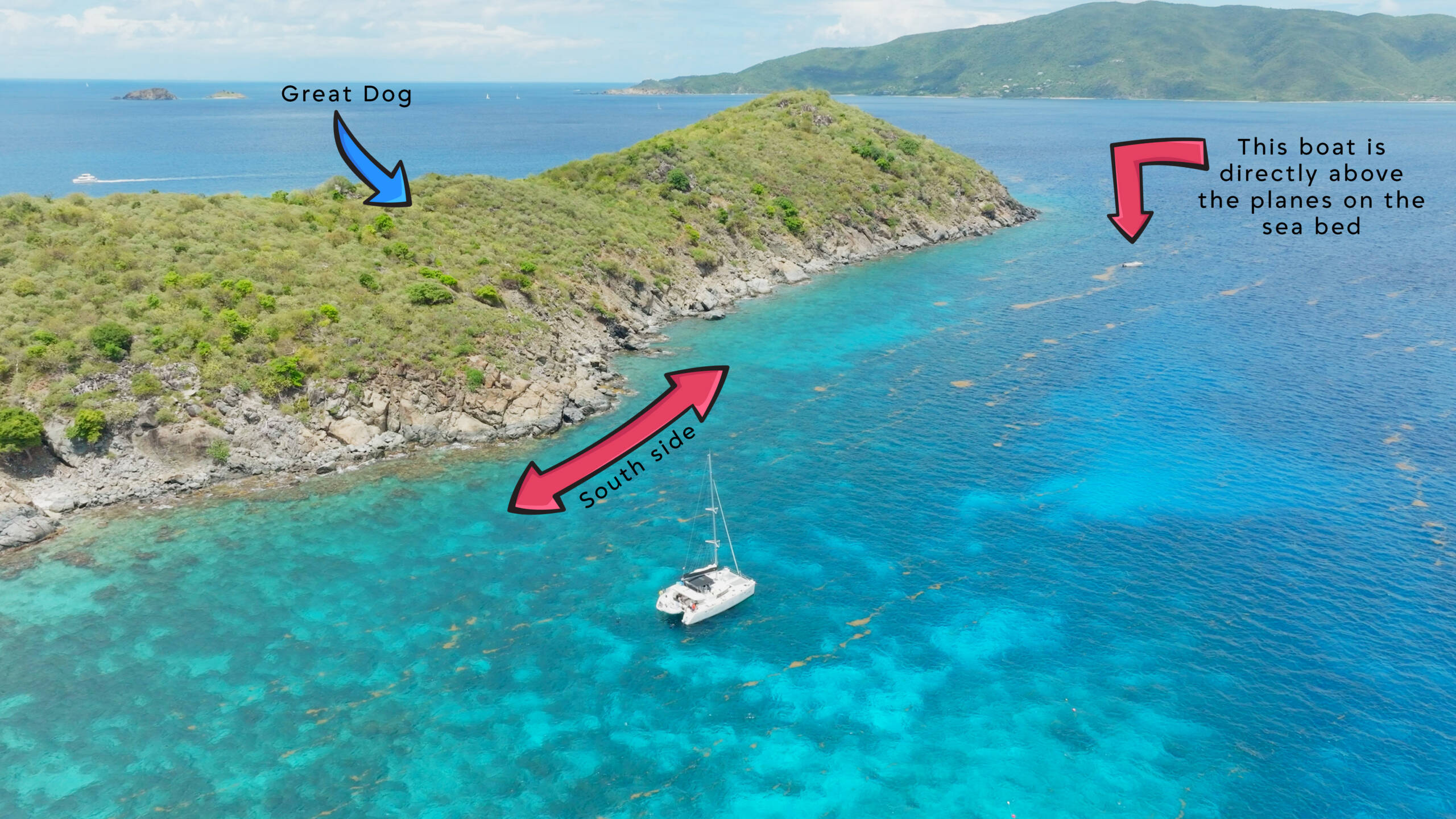
Round on the southern shore of Great Dog, resting on the seabed, are two sunken aircraft — and here’s the strange, wonderful thing: they’re shaped like sharks. Whether by accident of angle or a diver’s sense of humour, from above they read unmistakably as two great fish lying in wait on the bottom. They’re not marked, they’re not easy to spot, and finding them feels like being let in on a secret the whole fleet sailed past. It’s the single most fun little discovery in these waters, and it’s exactly the kind of thing you only stumble on with someone who knows precisely where to look.
I’ve marked the spot on a photo to point the way — because half the joy is the hunt, and the other half is the moment two sharks resolve out of the blue beneath you. That, right there, is the difference between snorkelling the BVI and knowing the BVI.
How to Actually Reach the Quiet Spots
Here’s the honest truth that ties this whole list together: the famous spots you can reach on almost any trip, but the best BVI snorkelling spots aren’t limited to one or two stops off a day-boat schedule — the quiet ones, like Haulover in an easterly, Eustatia in flat calm, and the sharks off Great Dog, need a captain who knows the water, reads the weather, and can route your week around the right conditions. That’s the real luxury of a crewed catamaran: you move between sites at your own pace, gear already aboard, chasing the best conditions as they come.
On a per-cabin charter, that local knowledge comes built in. You book a cabin, and the captain does the rest — including, if you ask nicely, pointing you toward two sharks that most people will never know were there. Some of the best spots simply aren’t on any map. They’re in the heads of the people who sail these waters for a living — and that’s exactly who you want at the helm.
Snorkel the Spots Only Locals Know
From the famous Indians to the hidden sharks off Great Dog, a per-cabin charter puts a captain who knows every reef at your service — all-inclusive, from $5,000 per cabin. Come and find the BVI the guidebooks miss.
Planning your trip? Download our free BVI Charter Guide — everything you need to know before you sail, in one tidy PDF.